Don't Waste Your Life
devotional for young Christians from the life of King Solomon
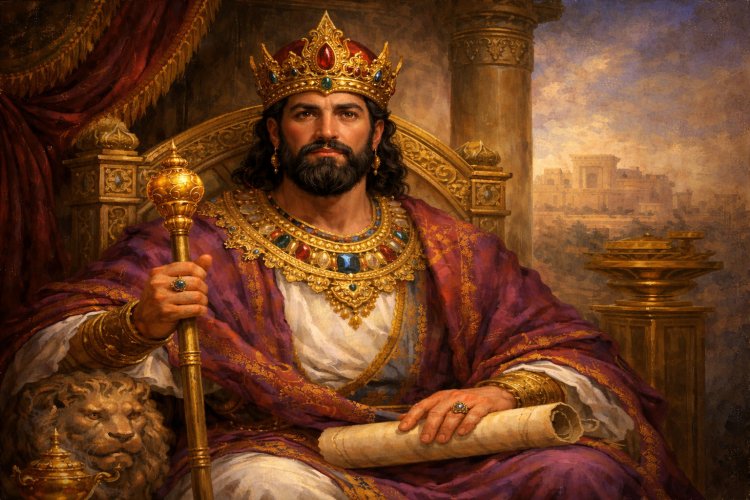
Don't Waste Your Life
Spiritual reflections for Christian youth from the life of King Solomon
“Vanity, says Ecclesiastes, Vanity, all in vain.”
(Ecclesiastes 1:2)
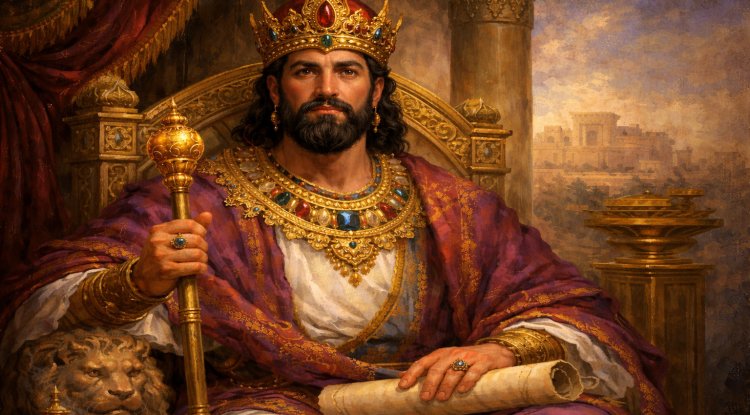
This sentence sounds very dark, even frightening. Ironically, it was not written by a failed, poor, or marginalized man, but by King Solomon—the richest, smartest, and most influential man in Bible History. If people like Solomon alone come to the conclusion that life can seem hopeless, then the question becomes very relevant for us, especially the younger generation: how can our life not end in vain?
1. When Big Dreams Do Not Guarantee Inner Satisfaction
Solomon ascended the throne at a young age. It has a bright future, great power, and unlimited opportunities. When God gave him one request, Solomon chose wisdom. This option seems ideal and spiritual-and rightly so. God gave him great wisdom, even riches and honor.
But as wisdom grew, Solomon discovered a harsh reality: the world was full of injustice and suffering that he could not fix. Wisdom opens her eyes, but also opens her wounds.
Reflections for youth:
We live in an age of ambition and achievement. Grades, GPA, career, followers, and achievements are often used as benchmarks of self-esteem. But the Bible reminds: knowledge and achievements without divine direction can make the heart tired and empty. True wisdom is not just a matter of “knowing more,” but of knowing who we are leaning on.
2. Wealth, Status and popularity Are Never Enough
Solomon had everything: magnificent palaces, abundant treasures and international recognition. People from distant lands come only to see his greatness. But at the end of his life, Solomon called it all “futility,” like Steam or smoke-tangible, but not graspable.
Reflections for youth:
Many young people think “ " if I'm successful, I'll be happy."Solomon proved otherwise. Social Status and popularity are momentary satisfactions, but they are not capable of giving lasting meaning. If our identity is built on human recognition, then when that recognition is lost, we collapse.
3. Working Hard Is Good, But Don't Worship Work
Solomon described three types of people:
A lazy person who destroys himself.
The one who works non-stop, pursues everything, but his heart is empty.
People who work enough and live in peace.
Solomon himself admitted that he fell into the second type—too chasing, too greedy, and finally deprived of peace.
Reflections for youth:
The Bible does not forbid hard work or big dreams. What is dangerous is when work and ambition become New Gods. God calls us not only to be productive, but also to enjoy life as a gift, not as an endless race.
4. A Small Compromise Can Be A Big Downfall
Solomon's fall did not come suddenly. It starts with one “natural” compromise: marrying a foreign woman for the sake of politics. Then repeat. Solomon had hundreds of wives and concubines, and his heart turned away from God. Idolatry, addiction, and hidden sin destroyed his spiritual life—and his entire kingdom.
Reflections for youth:
Many Great Falls are preceded by the words:” just once, “” it's Okay, “ " everyone does that.” Nurtured sins will bind, and hidden addictions will corrupt the soul. Wisdom without obedience is not enough. God calls us to live holy, not just intelligent.
5. Evocative ending: the fear of God is the essence of life
At the end of the book of Ecclesiastes, the conclusion of Solomon's life is summarized very simply:
“Fear God and keep his commandments, for this is the duty of every man.”
(Ecclesiastes 12: 13)
The meaning of life is not found in what we accumulate, but in who we live for. Life becomes meaningful when it is directed toward eternity, not just temporary comfort.
In the light of the New Testament, we see the fulfillment of this hope in Christ. Jesus taught that true life is not a matter of storing up treasures on Earth, but of accumulating treasures in heaven—a life that is obedient, faithful, and fruitful to God.
Closing: an honest message to the younger generation
Solomon is both a warning and a mirror. He showed that a person can have everything, but still lose meaning if God does not become the center of his life.
Musings to take home:
Do not build your life only on achievements.
Do not delay obedience for the sake of momentary pleasure.
Do not let Hidden Sins rob you of your future.
Do not be afraid to live a simple life if God is pleased in it.
Life is too precious to be spent on impermanent things. May we, as Christian youth, choose to live not just successfully, but faithfully—for that is where true meaning is found.
What's Your Reaction?